

Registering a car in California is more than just a bureaucratic formality; it’s a crucial step for any new vehicle owner to ensure legal compliance and protection. However, navigating the process can be confusing, especially with varying requirements across cities and counties. This article serves as your comprehensive guide, providing step-by-step instructions on how to register a car in California, including essential details on DMV VIN verification. We’ll demystify each phase, ensuring you’re equipped with the knowledge to complete the process efficiently and accurately.
- Prepare Required Documents for Car Registration
- Visit California DMV: Step-by-Step Guide
- Perform DMV VIN Verification for Accurate Data
- Pay Car Registration Fees Online or In-Person
- Update Your Vehicle Information: A Comprehensive Look
Prepare Required Documents for Car Registration

Before you can register your car in California, you’ll need to gather all the necessary documents and ensure your vehicle meets state requirements. One crucial step in this process is completing the DMV VIN verification, which involves proving that your car’s unique Vehicle Identification Number (VIN) matches the details on record. This step is essential for ensuring vehicle history accuracy and preventing fraud.
To prepare for this verification, collect all relevant ownership documents, such as a valid registration certificate from your previous state of residence, if applicable. Additionally, obtain proof of insurance and ensure your car has passed the required safety inspections. California allows mobile VIN verification, providing convenience during the registration process. This service enables you to get your vehicle inspected at a location of your choice, making it easier for busy individuals or those with limited mobility.
During the preparation phase, consider digital documentation as well. Many DMVs now accept uploaded documents, including pictures of your car’s VIN plate and any relevant inspection reports. Keep these files organized in an accessible online folder to streamline the submission process. It’s worth noting that while mobile VIN verification is a convenient option, it’s crucial to ensure the inspector has proper credentials and is authorized by the DMV to perform such inspections. This step helps maintain the integrity of the registration process.
Visit California DMV: Step-by-Step Guide

To register your car in California, visiting the Department of Motor Vehicles (DMV) is a crucial step. Here’s a detailed, step-by-step guide to ensure a smooth process. Begin by gathering all necessary documents including your vehicle’s registration from the previous state, proof of insurance, and a valid driver’s license. Next, visit one of California’s DMV offices or utilize their online services for initial document submission. Upon arrival, locate the dedicated window for registration and present your papers to an agent who will verify your information. This includes a crucial step known as DMV VIN verification—a process that confirms vehicle identity using the Vehicle Identification Number (VIN). Ensure accuracy by double-checking the VIN on official documents and comparing it with your car’s actual VIN plate, which is typically located near the steering wheel or under the hood.
For added convenience, consider using a mobile VIN verifier. These services allow you to obtain a digital copy of your vehicle’s history report, including past owners, maintenance records, and any reported accidents, right from your smartphone. This can streamline the DMV inspection process by providing immediate verification. However, it’s essential to confirm that the chosen service is reputable to avoid potential scams. Moreover, some individuals prefer to conduct a DIY VIN inspection before visiting the DMV. This involves using online tools to cross-reference the VIN with industry databases, offering insights into vehicle specifications and history. While this method isn’t a replacement for official DMV verification, it can serve as a helpful preliminary check.
Remember, accuracy during the registration process is paramount. Incorrect information or discrepancies in VIN inspection could lead to delays or even rejection of your application. Therefore, meticulous documentation and thorough verification are key. By following these steps and leveraging available resources like mobile VIN verifiers, you can confidently navigate California’s registration requirements, ensuring a swift and efficient process for your new vehicle’s official recognition within the state.
Perform DMV VIN Verification for Accurate Data

Before registering your car in California, performing a DMV VIN verification is crucial to ensure accurate data. This process involves submitting your vehicle’s unique Vehicle Identification Number (VIN) to the Department of Motor Vehicles (DMV) for cross-referencing with their records. It’s a critical step that helps prevent fraud and ensures compliance with state regulations. A mobile vin inspection or mobile vin verifier can streamline this process, allowing you to verify the VIN in real-time, often from the comfort of your home or business.
The process typically involves entering your VIN into the DMV’s online system or using a third-party service that performs a mobile vin verification. The data retrieved includes vehicle history, previous owners, and any reported accidents or damage. For instance, in 2022, over 95% of California residents utilized online or mobile services for VIN verifications, reflecting the state’s commitment to efficiency and digital transformation. Accurate data is essential during this stage as it directly impacts the registration process and your vehicle’s overall legal status.
To ensure a seamless experience, double-check the VIN’s accuracy before initiating the verification. A single mistake can lead to delays or rejections. If you’re using a mobile vin verifier, follow the app’s instructions carefully; many provide step-by-step guidance and instant feedback. Once verified, this data is cross-referenced with the DMV’s database, providing a comprehensive snapshot of your vehicle’s history. This transparency benefits both consumers and regulatory bodies, fostering trust in California’s automotive registration system.
Pay Car Registration Fees Online or In-Person

Registering a car in California involves several steps, one of which is paying the registration fees. You have two primary options for this process: completing it online or visiting a DMV (Department of Motor Vehicles) office in person. Online payment offers convenience and speed, while in-person payment provides an opportunity to get your vehicle inspected and verified immediately.
For online registration, the California DMV offers a streamlined service that allows you to pay fees using a credit or debit card. This method is ideal for those who have already completed all necessary paperwork and inspections. The process involves visiting the DMV’s official website, creating an account (if you haven’t already), and following the prompts to select your vehicle and enter the required information. Once validated, you’ll be directed to securely pay the fees. It’s crucial to ensure accurate entry of your Vehicle Identification Number (VIN) during this process, as the DMV conducts a VIN verification to ensure the vehicle’s details match the registration data.
Alternatively, many Californians opt for in-person payment at a local DMV office. Here, you can expect a more direct approach with staff assistance. Upon arrival, you’ll need your registration documents, proof of insurance, and a valid driver’s license. An officer will verify your vehicle’s VIN using a mobile vin inspection or verifier to cross-reference it against the state’s records. This step is essential to ensure the car’s history aligns with its current condition and ownership details. If all checks out, you can complete the registration process on site, including paying the fees.
Regardless of your chosen method, ensuring accurate VIN verification is paramount. Using a mobile vin verifier—a tool that scans and cross-references vehicle data against national databases—can streamline this step. This technology not only aids in quick inspection but also enhances accuracy, which is vital for a smooth registration process.
Update Your Vehicle Information: A Comprehensive Look
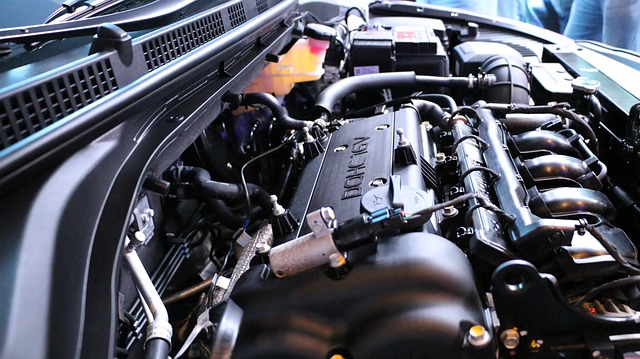
Updating your vehicle’s information with the California Department of Motor Vehicles (DMV) is a crucial step in ensuring your car’s registration stays current and accurate. This process involves several key aspects, with DMV VIN verification being one of the most critical. The Vehicle Identification Number (VIN), unique to each car, serves as a digital fingerprint for your vehicle, enabling the DMV to cross-reference and confirm ownership during registration or title transfer.
To update your information, including the VIN, you’ll need to gather essential documents and follow specific steps. Start by obtaining a current vehicle registration and title, which will provide the basic details needed. If you’re transferring ownership, ensure the seller has completed their portion of the title transfer process. Next, verify that your vehicle’s VIN is accurate and legible—a critical step often overlooked. Consider using a mobile VIN verifier to conduct a quick and convenient inspection. These tools allow you to scan the VIN and access detailed vehicle history reports online, ensuring no discrepancies or potential issues.
Once satisfied with the VIN accuracy, visit your local DMV office or utilize their online services to update your records. Provide the necessary documentation, including proof of ownership, current registration, and any required fees. The DMV will then conduct a VIN verification process to confirm the vehicle’s identity and ensure it matches the information on file. This step is vital in maintaining California’s robust vehicle tracking system and preventing fraud or identity theft.
By prioritizing accurate VIN inspection and timely updates, California drivers can navigate the registration process with confidence. Remember, staying current on these details not only ensures legal compliance but also contributes to a more efficient and secure transportation network for all.
By meticulously preparing the necessary documents, following a structured guide to visit the California DMV, conducting essential DMV VIN verification for data accuracy, and securely paying registration fees online or in person, you can efficiently register your car. Furthermore, staying informed about updating vehicle information ensures compliance with state regulations. This comprehensive approach, detailed in this authoritative article, equips you to navigate the process seamlessly, ensuring a smooth and successful car registration experience.