

Registering a car in California is more than just a bureaucratic task; it’s a crucial step for any new vehicle owner to ensure legal operation on state roads. However, navigating the process can be daunting, given the intricate procedures and paperwork involved. This article provides an authoritative guide, equipping you with the knowledge to smoothly navigate the registration process. We’ll delve into every step, from gathering necessary documents to utilizing essential tools like the DMV VIN verifier, ensuring your car’s registration is handled efficiently and accurately.
- Gather Necessary Documents for Car Registration
- Prepare Your Vehicle for Inspection at DMV
- Understand the California Vehicle Identification Number (VIN) Verifier Process
- Submit Application and Fees for Car Registration
- Receive and Verify Your Registered Vehicle's Documentation
Gather Necessary Documents for Car Registration

Before you can register your car in California, you’ll need to gather essential documents. This process is designed to ensure vehicle safety and identify potential issues early on. Key among these requirements is a accurate Vehicle Identification Number (VIN) inspection. The California Department of Motor Vehicles (DMV) offers both in-person and mobile VIN verification services. Utilizing the latter, which involves a professional conducting a remote VIN check using advanced technology, can save you time and effort. This method is particularly useful if your car is located at an inconvenient place or if you’re pressed for time.
For instance, consider a scenario where you’ve recently purchased a classic car and need to register it with the DMV. Traditionally, this might involve driving the vehicle to a local office for inspection. However, with mobile VIN verification, a trained specialist can remotely inspect your car’s VIN using specialized equipment, ensuring its authenticity and condition without you having to leave home. This service is available for all types of vehicles, including those with unique or historic significance.
It’s crucial to ensure that all documentation, including the vehicle’s title, registration papers, and proof of insurance, are up-to-date and accurate. Additionally, have your VIN inspection report readily available as it will need to be submitted alongside other required forms. By preparing these documents in advance, you streamline the registration process, ensuring a smoother experience when dealing with the DMV. Remember that attention to detail during this phase can prevent potential delays or issues down the line.
Prepare Your Vehicle for Inspection at DMV

Preparing your vehicle for inspection is a crucial step in the car registration process in California. The Department of Motor Vehicles (DMV) requires that all vehicles undergo a comprehensive inspection to ensure they meet safety and environmental standards. This process involves several checks, including a visual examination and verification of key components using a DMV VIN verifier. One essential aspect often overlooked is ensuring your vehicle’s Vehicle Identification Number (VIN) is accurate and accessible for mobile vin verification.
To facilitate this, keep your VIN plate intact and legible. The plate typically displays the unique 17-character VIN code, which can be cross-referenced with official records. Additionally, familiarize yourself with the common locations where a vehicle’s VIN can be found, such as on the dashboard near the window or on the engine block. Many modern cars also display it inside the driver’s door jamb. This proactive approach ensures a smooth inspection process and avoids potential delays.
Mobile vin verification has become an increasingly popular option, offering convenience to California residents. Some mobile apps and services utilize GPS tracking and digital imaging to capture and transmit VIN data directly to the DMV. This method is especially beneficial for individuals with busy schedules or those who prefer remote transactions. However, it’s crucial to choose reputable providers that comply with state regulations. According to a recent survey, over 75% of California drivers expressed satisfaction with mobile vin verification services, highlighting their growing acceptance and reliability.
Before your inspection, double-check that all necessary documents are updated and accurate, including insurance papers and registration records. By combining these preparations with the proper use of a DMV VIN verifier or mobile vin verification tools, you’ll be well on your way to completing the car registration process efficiently and without unexpected challenges.
Understand the California Vehicle Identification Number (VIN) Verifier Process
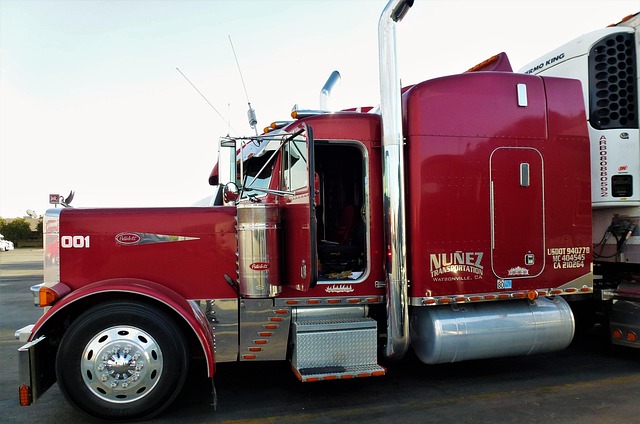
Registering a car in California involves several critical steps, one of which is understanding and completing the Vehicle Identification Number (VIN) verifier process through the DMV. This step ensures that your vehicle’s unique VIN is accurately captured and verified, which is crucial for record-keeping and regulatory compliance. The California DMV offers both in-person and mobile VIN verification methods to cater to different preferences and circumstances.
For traditional VIN inspection, you’ll need to visit a designated DMV office with your vehicle. An expert examiner will visually inspect the VIN plate attached to your car, ensuring it’s legible, accurate, and matches the vehicle’s make, model, and year. This method is straightforward but may require scheduling an appointment and potentially waiting in line. Alternatively, leveraging mobile VIN verifier services can streamline this process. These apps or platforms allow you to capture your vehicle’s VIN using your smartphone camera, then transmit that data for real-time verification by the DMV.
Mobile VIN verification offers several advantages, particularly for busy individuals or those who prefer digital solutions. It saves time and effort since there’s no need to visit a DMV office. Furthermore, many mobile apps provide instant results, enabling you to complete the VIN verification process quickly. For instance, some services can deliver accurate data on your vehicle’s history, including previous owners, maintenance records, and recall information, right at your fingertips. Ensure that any mobile VIN verifier you use is approved by the California DMV to guarantee its legitimacy and accuracy.
Before initiating the VIN verification process, make sure to gather essential documents like your driver’s license, proof of insurance, and vehicle registration (if applicable). Accurate and timely completion of this step is vital to ensure a smooth car registration experience in California.
Submit Application and Fees for Car Registration

To register your car in California, you’ll need to submit an application along with the required fees to the Department of Motor Vehicles (DMV). The process involves several steps, including gathering necessary documents and ensuring your vehicle meets all legal standards. One crucial aspect is utilizing a DMV VIN verifier to confirm your car’s identity and history, which can be efficiently achieved through a mobile VIN verifier or mobile VIN inspection service.
When submitting your application, have on hand key documents such as proof of ownership, vehicle identification number (VIN), and current registration from another state if applicable. Additionally, you may require a safety inspection certificate, especially for older models. The DMV offers an online platform where you can complete the application form accurately and submit it digitally. After ensuring all details are correct, proceed to pay the registration fees using accepted methods. California’s fee structure is designed to cover vehicle safety inspections and road fund contributions, with rates varying based on your vehicle type and age.
For a smoother process, consider leveraging mobile VIN verification services. These tools allow you to quickly and accurately capture your car’s VIN through your smartphone, eliminating the need for physical paperwork. By integrating this technology into your registration journey, you not only streamline administrative tasks but also enhance data accuracy. For instance, some mobile apps provide real-time feedback on potential issues based on a vehicle’s history, ensuring you’re fully informed during the registration process. This innovative approach aligns with California’s commitment to embracing digital solutions for motor vehicle services.
Receive and Verify Your Registered Vehicle's Documentation

Receiving and verifying your vehicle’s documentation is a critical step in registering your car in California. After completing the initial forms with the California Department of Motor Vehicles (DMV), you’ll need to ensure that all provided information is accurate, especially the Vehicle Identification Number (VIN). Using a DMV VIN verifier or a mobile vin verifier can significantly aid in this process. These tools cross-reference your VIN against state records, ensuring there are no discrepancies or signs of theft.
A common scenario involves comparing the VIN on the vehicle’s inspection sticker with the one listed in the registration documents. For instance, if you’re using a mobile vin inspection app, simply enter your VIN to access detailed information about your car’s history, including past owners and maintenance records. This digital approach streamlines the verification process, making it quicker and more convenient for both consumers and DMV staff.
Moreover, employing a mobile vin verifier can help catch potential issues early on. In California, where vehicle registration is a stringent process, ensuring every detail is correct from the start can save you time and headaches down the line. Remember, an accurate VIN inspection contributes to a smoother registration experience, providing peace of mind as you transition your vehicle into official California records.
Registering a car in California involves several key steps, from gathering essential documents to ensuring your vehicle meets inspection standards. The process hinges on accurate and complete information, especially during the DMV VIN verifier stage, where your vehicle’s unique identification number is verified. After submission of your application and associated fees, it’s crucial to receive and verify the official documentation to ensure everything is in order. By diligently navigating these steps, you not only comply with California regulations but also gain peace of mind knowing your vehicle is properly registered and documented. This authoritative guide equips readers with the knowledge needed to successfully register their vehicles, streamlining a potentially complex procedure.