

Looking to register your car in California? This guide breaks down the process step-by-step, from understanding key requirements to securing your registration certificate. First, grasp the registration process and needed documents, including proof of ownership and identification. Next, undergo VIN verification, a critical step ensuring vehicle authenticity. Submit applications and fees, then finalize with a trip to the DMV. A well-prepared journey ensures a smooth VIN verification and successful registration.
- Understanding the Registration Process
- Gather Required Documents
- VIN Verification: A Crucial Step
- Submit Applications and Pay Fees
- Finalize and Obtain Your Registration Certificate
Understanding the Registration Process

Registering a car in California involves several steps, and understanding the process is key to ensuring a smooth experience. It begins with gathering essential documents, including proof of ownership, identification, and insurance. Once these are in order, the next critical step is what’s known as VIN verification or vin inspection. This process entails checking the vehicle’s unique Vehicle Identification Number (VIN) to ensure its authenticity and history, which can be done through various official channels or even with a mobile vin verification service for added convenience.
During VIN inspection, California’s Department of Motor Vehicles (DMV) verifies that the car matches the description on the registration documents and that there are no outstanding issues like salvage or theft. This step is crucial to maintaining the integrity of the state’s vehicle registry. After successful verification, you can proceed with the registration, which typically involves filling out applications, paying fees, and providing additional required documentation.
Gather Required Documents

Before diving into the registration process, ensure you have all the necessary documents ready. In California, registering a car involves providing specific paperwork to prove ownership and vehicle information. One crucial document is the Vehicle Identification Number (VIN) verification. This unique 17-character code serves as a digital fingerprint for your vehicle and is essential for identifying its make, model, year, and other specifications.
A common requirement is a valid driver’s license or state ID card. Additionally, you’ll need proof of insurance, which can be presented through an insurance card or declaration page. Some jurisdictions also accept mobile VIN verification services, offering a convenient way to check your vehicle’s history using just your smartphone. These services, such as a mobile vin verifier or vin inspection, can provide instant access to detailed information about the car’s past and help ensure you’re making an informed decision during registration.
VIN Verification: A Crucial Step

When preparing to register your car in California, VIN (Vehicle Identification Number) verification is a crucial step that shouldn’t be overlooked. This process ensures that your vehicle’s history and authenticity align with what’s been declared. During VIN verification, key information about your car—its make, model, year, and other identifying details—is cross-referenced against databases to confirm its status.
Consider utilizing mobile vin verification or a vin inspection service for convenience and efficiency. These services send a professional to your location to conduct the inspection, saving you time and effort. With their expertise, they can swiftly verify the VIN, ensuring it matches the vehicle’s parts and documents accurately. This is particularly beneficial when purchasing a used car, as it helps protect against potential fraud or undisclosed damage, making the registration process smoother and safer.
Submit Applications and Pay Fees

After gathering all necessary documents, it’s time to submit your applications and pay the required fees. This step involves a few crucial processes to ensure your car’s registration goes smoothly. Begin by filling out the Application for Title and Registration form, which can be obtained from the California Department of Motor Vehicles (DMV) website or in-person at a local DMV office. Ensure all information is accurate and complete, especially the Vehicle Identification Number (VIN). A key part of the process is the VIN verification, which confirms your vehicle’s authenticity and history.
You may opt for traditional methods by visiting a DMV field office to submit your forms and pay the fees in person. Alternatively, many services now offer convenient mobile vin verification and inspection options, allowing you to complete these tasks remotely. These services send a trained professional to inspect your vehicle and perform the necessary VIN checks, saving you time and effort. Remember to keep all receipts and documentation for future reference during ownership transfers or when updating registration details.
Finalize and Obtain Your Registration Certificate
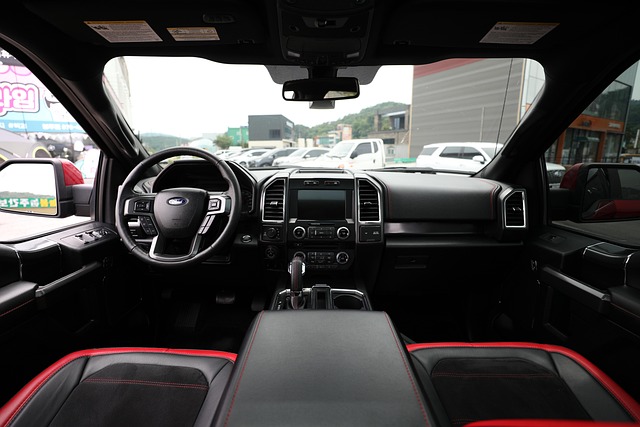
Once you’ve gathered all necessary documents and passed the smog test, it’s time to finalize your car’s registration. The next step is to obtain your Registration Certificate (RC), which formally registers your vehicle with the California Department of Motor Vehicles (DMV). This process involves verifying your vehicle’s unique Vehicle Identification Number (VIN) through a comprehensive inspection.
A reliable method for this vin verification is by utilizing a mobile vin verifier or undergoing a vin inspection, ensuring that every detail of your car matches the records in the DMV system. This step is crucial to maintain California’s safety standards and ensure that only legitimate vehicles are on the road.
Registering a car in California involves understanding the process, gathering essential documents, completing a VIN verification, submitting applications, and paying fees. By adhering to these steps and ensuring accurate VIN verification, you’ll successfully finalize your car’s registration and obtain the necessary certificate, making your vehicle legal on California roads.