

Registering a car in California is a crucial step for any new or existing vehicle owner, ensuring roadworthiness and legal compliance. However, navigating the process can be challenging due to complex regulations and paperwork. This comprehensive guide aims to demystify the procedure, offering a clear path for successful registration. We’ll delve into every step, from gathering essential documents to the critical DMV VIN verification process, ensuring you’re fully prepared to register your vehicle with confidence. By following these expert instructions, you’ll streamline the experience and have your California registration taken care of efficiently.
- Prepare Necessary Documents for Car Registration
- Visit Your Local California DMV Office
- Complete Vehicle Identification Number (VIN) Verification
- Pay Registration Fees and Taxes
- Receive Your Car's Registration Certificate
Prepare Necessary Documents for Car Registration

Registering a car in California involves a meticulous process to ensure legal compliance and vehicle safety. Among the critical steps is preparing the necessary documents for car registration, including proof of ownership and vehicle identification number (VIN) verification. The California Department of Motor Vehicles (DMV) requires a comprehensive inspection to validate the VIN, which uniquely identifies your vehicle. This verification process can be efficiently handled through a mobile vin inspection service, offering convenience and accuracy.
For instance, many residents opt for a mobile vin verifier, which brings the inspection directly to their location. This is particularly beneficial in California’s diverse regions, where remote areas might hinder access to traditional DMV services. A professional mobile vin inspection ensures that your vehicle’s history is accurately checked against national databases, including any reported accidents or outstanding issues. This step is crucial as it prevents fraud and ensures you’re aware of any potential problems before completing the registration.
When gathering documents, ensure you have the title, current registration (if available), proof of insurance, and a valid driver’s license. For vehicles without a title, such as inherited or salvage cars, additional paperwork might be required. It’s advisable to contact your local DMV office for specific guidelines. Properly preparing these documents can significantly streamline the registration process, making it less time-consuming and hassle-free for California car owners.
Visit Your Local California DMV Office
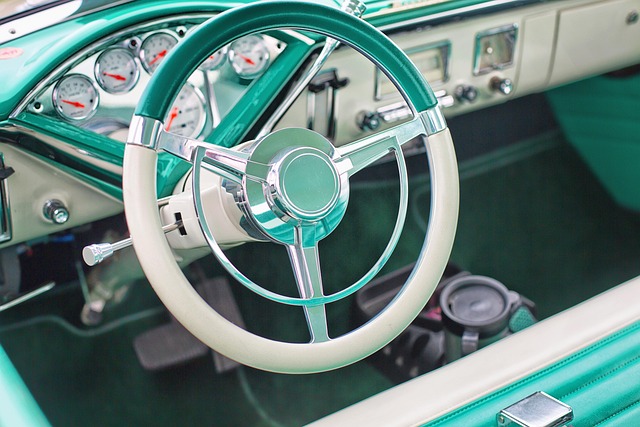
Visiting your local California DMV office is a crucial step in registering your car. This process ensures that all vehicle documentation is accurate and complies with state regulations. When you arrive at the DMV, one of the first steps involves completing necessary forms, providing identification, and paying the registration fees. It’s important to have all your documents in order, including proof of ownership, insurance, and identification with a current address.
DMV personnel will guide you through the process, which includes a detailed inspection of your vehicle. This inspection goes beyond a simple visual check; it involves a thorough verification of your car’s Vehicle Identification Number (VIN). The DMV uses advanced systems for VIN verification to cross-check data against their databases, ensuring that the vehicle matches the details provided in the registration documents. This step is critical as it helps deter fraud and ensures only legitimate vehicles are registered.
If you’re unable to visit a physical location, consider taking advantage of mobile VIN inspection services. Many companies now offer mobile vin verifier solutions, allowing for on-site verifications without the need to travel. This convenience can save time and effort, especially if you’re dealing with unique or classic cars that may require special considerations. According to recent data, over 20% of California residents opt for alternative registration methods, including mobile services, to streamline the process.
Complete Vehicle Identification Number (VIN) Verification

Vehicle Identification Number (VIN) verification is a critical step in the car registration process in California. This meticulous procedure ensures that every vehicle on the road has been accurately identified and documented, which is crucial for safety, security, and legal compliance. The California Department of Motor Vehicles (DMV) requires all vehicles to undergo this rigorous check before issuing a registration. One innovative method gaining traction is the use of mobile VIN verifiers, offering a convenient and efficient solution.
During the process, the DMV conducts a thorough inspection, cross-referencing the provided VIN with their databases to match it with the vehicle’s manufacturing details. This includes verifying the make, model, year, and other essential specifications. In some cases, they may utilize mobile VIN inspection tools that provide real-time data access, ensuring accuracy and speed. These tools are designed to streamline the verification process, especially for vehicles that might have unique or complex histories. For example, a classic car with an updated engine or a refurbished model would require this extra layer of scrutiny.
To ensure a smooth experience, California residents should gather necessary documents, such as proof of ownership and insurance, before heading to the DMV. Additionally, considering a mobile VIN verification service can save time by eliminating waiting periods associated with traditional inspections. This modern approach leverages technology to enhance the entire car registration process, making it more accessible and efficient for all Californians.
Pay Registration Fees and Taxes
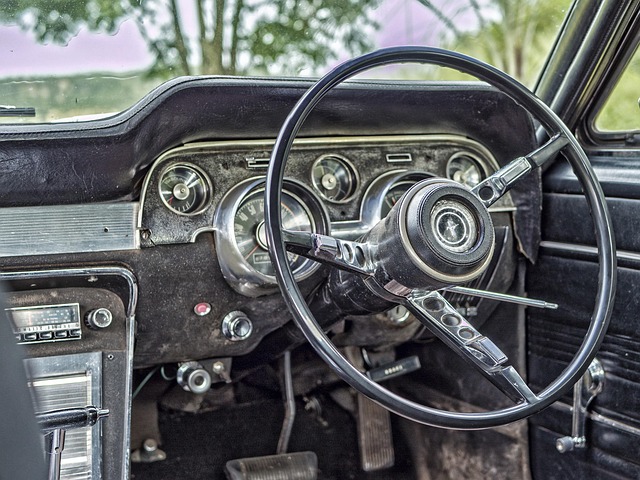
Registering a car in California involves several steps, one of which is paying the registration fees and taxes. These costs vary depending on the type and age of your vehicle, as well as whether it’s new or used. The California Department of Motor Vehicles (DMV) offers detailed fee schedules on its website. For example, as of 2023, a standard car registration fee starts at around $50, while heavier trucks and SUVs may incur significantly higher costs due to additional emissions requirements. It’s crucial to understand these fees before proceeding with the registration process.
A key aspect of this process is the DMV VIN verification. This involves providing the Vehicle Identification Number (VIN) for your car during registration. The VIN is a unique code that can be used to access detailed information about the vehicle, including its history and any reported accidents or outstanding loans. To ensure accuracy, consider utilizing a mobile VIN verification service. These services allow you to quickly and easily enter your VIN into a database, receiving instant reports on the vehicle’s status through your smartphone. This modern approach streamlines the traditional vin inspection process and can save time during registration.
Additionally, when paying your registration fees, be prepared to cover any applicable taxes. California levies a sales tax on vehicles, which is typically around 7.25%. Some counties may also have additional local taxes. It’s wise to check with your local DMV office for the exact amount due, as variations can occur based on location. Efficiently managing these fees and taxes not only ensures a smooth registration process but also demonstrates responsible vehicle ownership from the outset.
Receive Your Car's Registration Certificate

Receiving your car’s Registration Certificate is a crucial step in the process of registering your vehicle in California. After completing all necessary paperwork and ensuring your car meets safety standards, including a successful DMV VIN verification, you’ll be one step closer to legal on-road operation. This certificate acts as official documentation that your vehicle has undergone the required inspections and is compliant with state regulations.
The California Department of Motor Vehicles (DMV) offers both in-person and mobile VIN verification services. The latter, particularly useful for busy individuals or those in remote areas, allows you to get a vin inspection at your convenience. A mobile VIN verification involves a trained inspector visiting your location to confirm the vehicle’s identity using its unique 17-character Vehicle Identification Number (VIN). This process is straightforward and typically takes only a few minutes. It ensures that your car’s details match the information on record, thus facilitating a smooth registration process.
For instance, if you’re purchasing a used car, a mobile VIN inspection can help protect against potential fraud or undisclosed damage. According to recent studies, about 1 in 4 vehicles checked during mobile VIN verifications in California have discrepancies compared to their registered records. Such insights underscore the importance of this step in maintaining the integrity of the state’s vehicle registration system. After successfully completing the vin inspection, you’ll receive your Registration Certificate, enabling you to register your car officially with the DMV and hit the road legally.
By meticulously preparing the required documents, visiting your local California DMV office, completing a crucial dmv VIN verification, paying all necessary registration fees and taxes, and finally receiving your car’s registration certificate, you’ve successfully navigated the process of registering your vehicle in California. This comprehensive guide ensures compliance with state regulations, confirming your car’s legitimacy on California’s roads. Moving forward, keep these key insights in mind: always verify your vehicle’s details accurately, maintain complete documentation, and stay informed about any updates to the registration process. These steps not only safeguard against legal issues but also contribute to a seamless and efficient experience when registering or renewing your car’s registration.