

Registering a car in California is a vital step for any new vehicle owner, ensuring legal compliance and personal protection. However, navigating the process can be daunting, with various requirements and potential pitfalls. Many owners turn to reliable resources to streamline this task. One essential tool at your disposal is the DMV VIN verifier, which plays a crucial role in verifying vehicle history and identifying potential issues before registration. In this article, we’ll guide you through the steps, offering expert insights to ensure a smooth and informed car registration experience tailored to California’s unique requirements.
- Prepare Necessary Documents for Car Registration
- Visit California DMV: Step-by-Step Guide
- Verify Vehicle Identity with DMV VIN Verifier
- Pay Registration Fees and Taxes
- Register Your Car Online or In-Person
Prepare Necessary Documents for Car Registration

Before you can register your car in California, you’ll need to gather all the essential documents, including proof of ownership, vehicle identification number (VIN) inspection, and valid insurance. The California Department of Motor Vehicles (DMV) requires a complete set of paperwork for a smooth registration process. One crucial step is ensuring a correct and accurate VIN—a unique code that identifies your vehicle. Utilize a mobile VIN verifier to swiftly validate this information; many apps offer quick and easy online or in-person VIN inspections, making it a convenient part of your preparation.
Your car’s title, issued by the previous owner, establishes your ownership. It should be signed, stamped, and include all necessary details like the vehicle’s make, model, and year. Additionally, you’ll need an official copy of your car insurance policy, proof of residency (like a utility bill), and a valid driver’s license. For out-of-state residents, an out-of-state title with a letter from the previous owner stating that all taxes have been paid is acceptable.
Another vital document is the Vehicle Inspection Report, which confirms your car meets safety and emissions standards. Many mobile VIN verifiers can also conduct these inspections, offering a comprehensive report digitally. This step ensures your vehicle is road-ready and compliant with California’s regulations, streamlining the registration process at your local DMV office or designated service center.
Visit California DMV: Step-by-Step Guide

To register your car in California, you’ll need to visit a DMV office or utilize their online services. Here’s a step-by-step guide focusing on the physical visit, as it offers the most comprehensive and accurate registration experience. First, gather all required documents, including proof of ownership, valid identification, and proof of insurance. This ensures a smooth process and prevents delays.
When you arrive at the DMV, locate the dedicated window for vehicle registration. An agent will guide you through the process, which begins with verifying your Vehicle Identification Number (VIN) using either their fixed or mobile VIN verifier. The mobile option is convenient, allowing inspectors to quickly check the vehicle’s history and condition in real-time. This step is crucial as it ensures the car’s authenticity and helps detect any potential issues.
Next, you’ll need to complete application forms, providing details about your vehicle and personal information. Ensure accuracy to avoid future complications. After submission, an inspector will perform a thorough inspection, including a test drive. They might check for safety standards, emissions compliance, and overall vehicle condition. For example, they could use a mobile VIN inspection tool to cross-reference the declared VIN with official records, ensuring no discrepancies exist.
Upon successful completion of these steps, you’ll receive your registration documents and license plates. It’s advisable to double-check all information before leaving. If any issues arise during the process, DMV staff will guide you through resolving them promptly. This meticulous approach ensures that your car is not only legally registered but also safe for California’s roads.
Verify Vehicle Identity with DMV VIN Verifier
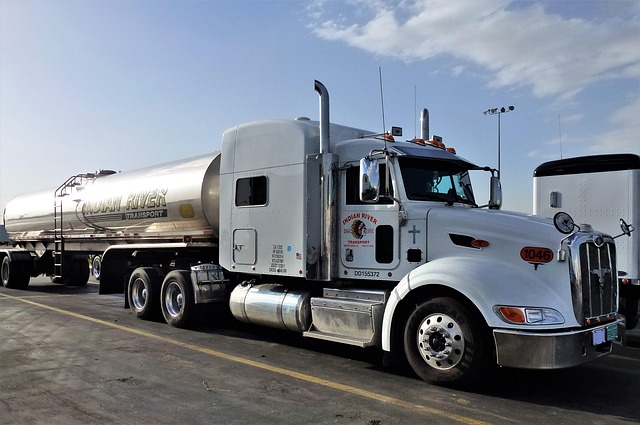
Verifying the identity of your vehicle is a crucial step in the car registration process in California. One effective method to ensure authenticity is through the use of a DMV VIN Verifier. This tool plays a pivotal role in maintaining the integrity of the registration system by cross-referencing the Vehicle Identification Number (VIN) against official databases. By employing a mobile VIN inspection or verification service, you can simplify this process and gain access to instant data validation.
DMV VIN Verifiers offer a convenient and efficient way to check vehicle history, ensuring that the car is not only as described but also free from any legal or safety issues. This is particularly important in California, where strict regulations govern vehicle registration. A simple VIN scan can reveal crucial details such as the manufacturer, model year, and even flag potential problems like odometer manipulation or outstanding recalls. For instance, a 2015 Toyota Camry’s VIN check might uncover a comprehensive service history, assuring both the owner and the DMV of its legitimacy.
To leverage this process effectively, drivers should consider using specialized apps or services that offer mobile VIN verification. These tools not only provide instant results but also streamline the entire verification process. By integrating this technology into the registration workflow, California’s DMV enhances accuracy, saves time, and ultimately contributes to a safer and more secure vehicle ownership experience for its residents.
Pay Registration Fees and Taxes

Registering a car in California involves several crucial steps, and one of the key aspects is paying the registration fees and taxes. These costs vary based on vehicle type, age, and other factors, but understanding how to calculate them accurately is essential. The California Department of Motor Vehicles (DMV) offers clear guidelines for these payments, which can be efficiently managed with a mobile VIN verifier. This tool allows for a convenient and precise method of verifying a vehicle’s identity, ensuring that the registration process is both secure and efficient.
The fees typically include a base cost for registration, which covers administrative expenses and state taxes. Additional charges may apply for emissions testing or if your vehicle is over a certain age. A unique aspect of California’s system is the inclusion of a Vehicle Identity Number (VIN) inspection, ensuring that the car matches the details on record. This process can be streamlined with a mobile VIN verifier, which checks the VIN against state databases to verify ownership and prevent fraud. For example, if you’re importing an out-of-state vehicle, this tool can cross-reference the VIN with national records to ensure everything is in order before processing the registration.
When paying your registration fees, it’s advisable to use approved payment methods, such as credit cards or checks, and keep records of transactions. Some counties in California offer online payment options through their DMV websites, making the process more accessible. Additionally, considering a mobile VIN verification service can save time and provide peace of mind, especially when dealing with older vehicles or those with a history that requires extra scrutiny. This modern approach to vehicle registration ensures accuracy, convenience, and adherence to California’s regulations.
Register Your Car Online or In-Person

Registering your car in California can be a straightforward process, offering both online and in-person options for convenience. Among the steps, utilizing a DMV VIN verifier or a mobile VIN verification tool can significantly streamline the registration experience. These methods ensure that your vehicle’s unique Vehicle Identification Number (VIN) is accurately matched with its corresponding records, preventing fraud and errors.
Online registration allows you to start the process from the comfort of your home. The California Department of Motor Vehicles (DMV) provides an efficient digital platform where you can input your car’s VIN using their online VIN verifier. This tool verifies the vehicle’s history and ensures it meets all legal requirements, such as safety standards and emissions compliance. Once your VIN inspection is complete, you can proceed with gathering necessary documents like proof of insurance, ownership transfer, and payment for registration fees. The DMV website guides you through each step, making the process accessible to users familiar with digital platforms.
In-person registration offers a more traditional approach, suitable for those who prefer face-to-face interactions or need immediate assistance. At a local DMV office, you can request a VIN inspection, either by presenting your vehicle or using a mobile VIN verifier app. These apps provide on-the-go verification, allowing you to check your car’s history and potential issues before making a decision. After confirming the VIN details, DMV staff will guide you through completing the registration, including verifying documents and processing fees.
Whether online or in-person, leveraging technology like mobile VIN verifiers ensures accuracy and efficiency. With just a few clicks or a quick inspection using your smartphone, these tools can save time and reduce potential errors during registration. Always ensure you have accurate information and meet all legal requirements to maintain compliance with California’s vehicle registration regulations.
By meticulously preparing your documents, visiting a California DMV with clear understanding of the process, utilizing a DMV VIN verifier for vehicle identity verification, and efficiently paying registration fees, you streamline the car registration process. Whether registering online or in-person, this structured approach ensures compliance and swift completion. Leveraging the DMV VIN verifier is a crucial step to guarantee the authenticity of your vehicle, enhancing the overall reliability of the registration procedure. Armed with these key insights, readers are now equipped to navigate the car registration process with confidence and efficiency.