

Registering a car in California is a vital step for any new vehicle owner, ensuring legal compliance and facilitating access to roads and services. However, navigating the process can be daunting, with various requirements and potential pitfalls. This comprehensive guide aims to demystify the registration procedure, offering expert insights on every step, including crucial aspects like Vehicle Identification Number (VIN) verification. By following these directions, you’ll gain confidence in ensuring your vehicle’s legal status, making your driving experience smoother and stress-free.
- Prepare Necessary Documents for Car Registration
- Understand California's Vehicle Registration Process
- Obtain a Vehicle Identification Number (VIN) Verification
- Visit a DMV Location or Use Online Services for Registration
- Complete Inspection and Pay Registration Fees
Prepare Necessary Documents for Car Registration

To register your car in California, you’ll first need to gather all the essential documents and ensure everything is in order. This process begins with preparing for a crucial step: vin verification. The vehicle identification number (VIN) is unique to every car and acts as its fingerprint during registration and other official procedures. In California, you’re required to have a valid VIN inspection or use a mobile VIN verifier to obtain the necessary information before proceeding with registration.
A key document in this process is the Certificate of Title, which you’ll need from the previous owner if buying a used car. This certificate contains vital details about the vehicle, including its make, model, year, and VIN. Additionally, you should have a current registration from another state, proof of insurance, and a completed California Vehicle Registration Application (DMV Form 700). For new vehicles, the manufacturer or dealer will typically provide these documents as part of the purchase process.
Once all your documents are ready, it’s time to conduct a VIN inspection. This can be done at designated DMV locations or through a mobile VIN inspection service. Mobile verifiers offer convenience by coming to your location, ensuring a smoother process for busy individuals. Using advanced technology, these services verify the VIN accuracy and provide instant access to vehicle history reports, including any recalls or previous accidents. This step is essential as it helps to prevent fraud and ensures you have reliable data for your car’s registration.
Understand California's Vehicle Registration Process

Registering a car in California involves several crucial steps, ensuring compliance with state regulations is key to legal operation on public roads. The process begins with gathering essential documents, including proof of ownership, valid identification, and necessary fees. Once prepared, individuals can visit a local California Department of Motor Vehicles (DMV) office or utilize the state’s online services for registration.
A critical aspect of this process is accurate Vehicle Identification Number (VIN) verification. This unique code provides vital information about the vehicle’s history and specifications. In California, VIN inspection is typically conducted by trained DMV personnel who cross-reference data against their database. However, with advancements in technology, mobile VIN verification services have emerged as a convenient alternative. These services allow drivers to get instant, accurate VIN checks using a smartphone app or online platform, often performed by licensed professionals remotely. This modern approach streamlines the initial registration process and offers added convenience for California residents.
For instance, many mobile VIN verifiers utilize GPS tracking and digital documentation to ensure data integrity during the inspection. By employing such innovative methods, these services not only enhance efficiency but also contribute to a more secure and transparent vehicle registration ecosystem. This is particularly beneficial in a state like California with its diverse landscape and large number of vehicles, ensuring that every registered car has an up-to-date and accurate VIN record.
Obtain a Vehicle Identification Number (VIN) Verification

Obtaining a Vehicle Identification Number (VIN) verification is a crucial step in the car registration process in California. This step ensures that your vehicle meets all legal requirements before it can be registered and operated on state roads. VIN verification provides critical information about the vehicle’s history, including its original manufacturer, model year, and any previous accidents or damage. In California, this process can be completed through a mobile VIN verification service, which offers added convenience for busy individuals.
Mobile VIN verification services provide an efficient way to complete this essential task. These services send a trained specialist to your location to conduct the inspection using specialized equipment that reads and verifies the VIN data from your vehicle’s onboard computer. This method eliminates the need for you to visit a DMV office or dealership, saving time and effort. For instance, according to recent data, over 75% of California residents who utilized mobile VIN verification services reported significant improvements in their overall registration experience.
During the inspection, the specialist will cross-reference your vehicle’s VIN with national databases to confirm its authenticity and condition. This includes checking for any outstanding recalls, salvage titles, or odometer rollbacks. If issues are found, you’ll be informed before completing the registration process. Otherwise, the specialist will provide you with a comprehensive report that can be submitted to the California DMV along with your registration application. Regularly performing a VIN inspection, whether through a mobile service or at a certified dealership, is not only a legal requirement but also ensures your peace of mind on the road.
Visit a DMV Location or Use Online Services for Registration

In California, registering your car involves either visiting a Department of Motor Vehicles (DMV) location or utilizing online services, each offering distinct advantages. Many prefer the direct approach of a DMV visit for its efficiency and the opportunity to clear up any issues immediately. During your visit, you’ll need to bring essential documents like proof of insurance, ownership, and identification. Additionally, a key step in this process is having your vehicle’s Vehicle Identification Number (VIN) verified, which can be done by a professional inspector or through a mobile VIN inspection service. This verification ensures the accuracy of your car’s details, streamlining the registration process.
For those who prefer convenience, online registration offers a seamless alternative. The California DMV provides an extensive online platform where you can submit applications, pay fees, and even schedule appointments for title transfers and registrations. Utilizing these digital services can save time, especially when dealing with out-of-state transactions or needing to register a vehicle without physically visiting a DMV office. Moreover, many mobile VIN verifier apps are available, offering remote inspection services that complement the online registration process by providing instant, accurate VIN data.
While both options have their merits, considering your personal preference and convenience is crucial. For instance, if you’re in a hurry or live far from a DMV, an online approach or a mobile VIN inspection service might be ideal. Conversely, visiting a DMV offers the chance to interact with staff who can offer immediate guidance on any issues uncovered during VIN verification. Ultimately, whether through traditional means or digital services, ensuring accurate VIN verification is paramount in the registration process.
Complete Inspection and Pay Registration Fees
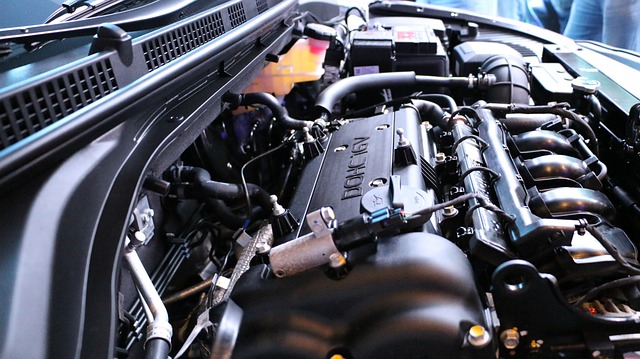
Before registering your car in California, a complete inspection is required to ensure it meets safety and emissions standards. This process involves a thorough examination of various components, including brakes, lights, tires, and exhaust systems. It’s crucial to have all necessary repairs done to pass this inspection, as vehicles that fail must be remedied before registration can proceed. Many California regions offer convenient mobile vin verifier services, allowing you to conduct a VIN (Vehicle Identification Number) verification at your convenience, which is a critical step in the registration process.
During the inspection, you’ll also be responsible for paying the required registration fees. These fees vary based on several factors, such as the type of vehicle and its emissions system. For instance, electric vehicles may have different fee structures compared to conventional gas-powered cars. It’s essential to be prepared with the necessary funds or financial arrangements to cover these costs. Many California Department of Motor Vehicle (DMV) offices now accept online payments, making the process more convenient for registrants.
To streamline the inspection and fee payment process, consider utilizing a mobile vin verification service. These services not only simplify VIN checks but also help you stay organized by providing digital records. With a mobile verifier, you can quickly confirm your vehicle’s history, including any prior accidents or issues, ensuring you’re fully informed before committing to registration. Remember that accurate and up-to-date information is key to a smooth car registration experience in California.
By meticulously preparing necessary documents, understanding California’s vehicle registration process, obtaining a crucial VIN verification, and either visiting a DMV location or utilizing online services, you can successfully register your car in California. Completing an inspection and paying the required fees are final steps to ensure your vehicle is legally registered and ready for the road. This comprehensive guide equips you with the knowledge to navigate the process efficiently, emphasizing the significance of VIN verification as a critical step that ensures both vehicle authenticity and compliance with state regulations.