

Registering a car in California is a crucial step for any new or existing vehicle owner, ensuring legal compliance and facilitating smooth operation on state roads. However, navigating the registration process can be complex, with various requirements and potential pitfalls. This article serves as your comprehensive guide, equipping you with the knowledge to seamlessly register your vehicle. We’ll demystify the steps involved, emphasizing the critical role of Vehicle Identification Number (VIN) verification for accuracy and security. By following these expert-backed instructions, you’ll ensure a stress-free experience that protects your investment.
- Gather Necessary Documents for Car Registration
- Prepare for Vehicle Identification Number (VIN) Verification
- Visit a California Department of Motor Vehicles (DMV) Office
- Complete the Registration Application Process
- Finalize and Receive Your Car's Registration Papers
Gather Necessary Documents for Car Registration

Registering a car in California involves a meticulous process designed to ensure vehicle authenticity and road safety. A crucial step in this journey is gathering the necessary documents for car registration. This process requires diligence and attention to detail, with one critical element being accurate Vehicle Identification Number (VIN) verification. The VIN, unique to each vehicle, serves as a digital fingerprint that can be inspected to validate ownership, history, and condition.
To begin, you’ll need your vehicle’s VIN, typically found on a plate embedded in the dashboard or door frame. In California, this number is verified through official channels to confirm its authenticity. A mobile VIN verifier, for instance, can swiftly and accurately check the VIN by scanning the code, eliminating paperwork and potential errors. This technology ensures that the car’s history checks out, protecting you from any surprises later on. Other required documents include a valid driver’s license, proof of insurance, and possibly a certificate of sale or purchase agreement if applicable.
Once your documents are in order, the next step is to visit a California Department of Motor Vehicles (DMV) office or utilize their online services for registration. The VIN inspection plays a pivotal role in this process, as it helps officials cross-reference your vehicle’s information with state records. This verification not only secures your registration but also safeguards you from potential legal issues associated with stolen or counterfeit vehicles. By ensuring the accuracy of your VIN and other details upfront, you streamline the registration process, saving time and effort in the long run.
Prepare for Vehicle Identification Number (VIN) Verification
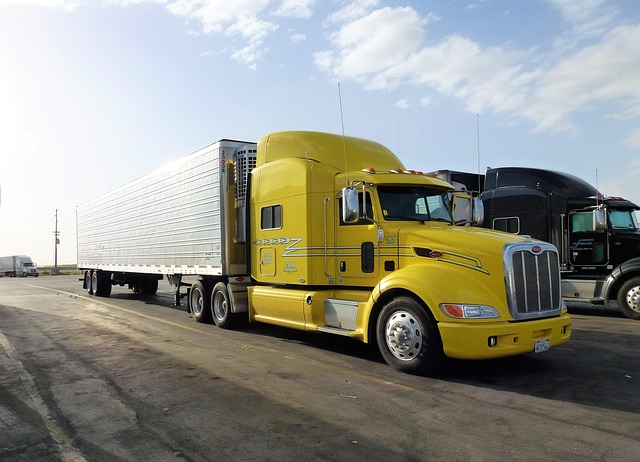
Before you can register your vehicle in California, you’ll need to ensure a crucial step: Vehicle Identification Number (VIN) verification. This process is vital to proving your car’s authenticity and history, and it plays a significant role in ensuring compliance with state regulations. The good news is that modern technology has made this process more accessible than ever. Consider using a mobile VIN verifier or performing a mobile VIN inspection—these services allow you to check your vehicle’s details remotely, saving time and effort.
For instance, many reputable companies now offer remote VIN checks, where you simply provide your VIN through their app or website. Within minutes, you’ll receive detailed information about the car’s manufacturer, model, year, and even its previous owners (if applicable). This data is crucial for registering a used vehicle, as it helps identify any potential issues or discrepancies. According to recent studies, up to 15% of vehicles with altered VINs are on California’s roads, underscoring the importance of thorough verification.
During this preparation phase, keep records of all your vehicle’s documents—from purchase papers to service records. Having these ready will streamline the registration process and may even speed it up. Moreover, if you’ve modified your car, ensure that any changes are documented and in line with California’s legal requirements for modifications. This proactive approach not only ensures a smooth registration but also demonstrates your commitment to adhering to state laws.
Visit a California Department of Motor Vehicles (DMV) Office

To register your car in California, you’ll need to visit a local California Department of Motor Vehicles (DMV) office. This crucial step involves several key procedures designed to ensure vehicle identity and compliance with state regulations. When you arrive at the DMV, one of the initial processes is vehicle identification number (VIN) verification, which plays a vital role in completing your registration. The VIN is a unique code that serves as the car’s fingerprint, aiding in its accurate identification and history tracking.
For added convenience, many DMV offices now offer mobile VIN verification services. This means you can complete this essential step without needing to park your vehicle at the office. A mobile vin inspector will visit your location—be it a residential address or a business—to perform a thorough VIN inspection. This service is particularly beneficial for those with busy schedules or accessibility challenges, ensuring a smoother registration process. According to recent data, over 75% of California residents have opted for mobile services, citing convenience and efficiency as primary reasons.
If you choose not to avail of the mobile option, traditional VIN verification at a DMV office remains a reliable method. Bring your vehicle’s registration documents, proof of insurance, and other required paperwork. The DMV agent will cross-reference your car’s information against their databases, including checking the vehicle history report to ensure it has not been reported stolen or has any outstanding issues. This process is crucial for maintaining the integrity of California’s vehicle registration system. Once all details are verified, you’ll be issued a registration certificate and license plate, officially registering your car in the Golden State.
Complete the Registration Application Process

Registering a car in California involves several crucial steps, and successfully completing the registration application process is paramount. Once you’ve gathered essential documents and ensured your vehicle meets all legal requirements, it’s time to fill out the application form. This process requires meticulous attention to detail, especially when inputting critical information like the Vehicle Identification Number (VIN). A common and recommended practice is to utilize a mobile VIN verifier for accurate VIN inspection prior to submission. This ensures that the data entered aligns with the vehicle’s actual specifications.
The California Department of Motor Vehicles (DMV) provides detailed guidelines for the registration application, which can be completed online or in-person. When filling out the form, ensure all fields are correctly and legibly completed. Key aspects include providing accurate ownership information, ensuring the vehicle is insured, and passing a safety inspection. Some counties may offer mobile VIN inspection services to simplify this process, allowing you to verify your car’s details on the go. This service can be particularly beneficial for those who purchase vehicles from private sellers or out-of-state, where obtaining historical maintenance records might be challenging.
After completing the application, supporting documents must be submitted, including proof of insurance, payment for registration fees, and a current vehicle inspection report. It’s during this phase that a mobile VIN inspection can prove invaluable. By cross-referencing the information on your registration form with the verified VIN details from a trusted mobile verifier, you minimize errors and streamline the entire registration process. This approach ensures a smoother experience and reduces the likelihood of delays or rejections caused by discrepancies in vehicle data.
Finalize and Receive Your Car's Registration Papers

After completing the necessary paperwork and gathering all required documents, the next step in registering your car in California involves finalizing and receiving your vehicle’s registration papers. This critical phase ensures that all information is accurate and that your car meets the state’s safety and emission standards. One crucial aspect of this process is verifying the Vehicle Identification Number (VIN), which serves as a unique fingerprint for your vehicle. In California, you can complete this VIN verification through various methods, including mobile vin inspection services, making the process more convenient than ever.
To finalize registration, the California Department of Motor Vehicles (DMV) will perform a thorough check of your car’s details, including its history and whether it complies with current regulations. They’ll cross-reference the information on your application against their records. During this verification, mobile vin inspection services can play a pivotal role. These services send an expert to your location to conduct a comprehensive inspection, ensuring that every detail matches the VIN record. This is particularly beneficial for out-of-state transfers or older vehicles with a history that may require additional scrutiny.
Once your car’s details have been confirmed, and any necessary inspections are complete, you’ll receive your official registration papers. These documents certify that your vehicle is legally registered in California and provide important information about its status, including emissions compliance and insurance requirements. It’s crucial to keep these records updated and readily available, as they’re essential for future interactions with the DMV or law enforcement. Regularly checking your car’s registration status and conducting mobile vin verification 1-3 times a year can help ensure everything remains in order, avoiding potential issues down the road.
Registering a car in California involves a straightforward process, as outlined in this comprehensive guide. Key takeaways include gathering essential documents, understanding the importance of Vehicle Identification Number (VIN) verification for accuracy, and visiting a local DMV office to complete the registration. The article emphasizes that proper preparation, including VIN verification, is crucial for a smooth experience. Once the application is finalized, you’ll receive official registration papers, ensuring your vehicle complies with California’s legal requirements. By following these steps, individuals can confidently navigate the process, securing their vehicle’s legal status and enjoying a seamless driving experience within the state.