

Registering a car in California is not merely a bureaucratic formality; it’s a critical step ensuring your vehicle’s legal status and your personal safety on the road. However, navigating the process can be challenging, especially with varying regulations and requirements across counties. This article serves as your comprehensive guide, empowering you to effortlessly wade through the complexities. We’ll break down each crucial step, emphasizing the importance of accurate documentation and, specifically, the role of VIN verification in ensuring the authenticity of your vehicle’s identity.
- Prepare Required Documents for Car Registration in California
- Understand Vehicle Identification Number (VIN) Verification Process
- Visit a California Department of Motor Vehicles (DMV) Office
- Complete the Registration and Title Application Form
- Pay the Necessary Fees and Receive Your Car's Registration Papers
Prepare Required Documents for Car Registration in California

To register your car in California, you’ll need to gather specific documents ensuring your vehicle meets state standards. The process begins with verifying your Vehicle Identification Number (VIN), a unique code that identifies your car’s make, model, and year. This step is crucial for accurate registration and is best completed through a mobile VIN inspection or verification service. These services send a specialist to your location to check the VIN against national databases, ensuring its authenticity and providing peace of mind.
For instance, many California residents opt for mobile VIN verifiers due to their convenience. These professionals use advanced tools to perform a thorough inspection, including checking for any signs of tampering or accident history reported to insurance companies. Once your car’s VIN is confirmed, you’ll require several documents, such as the title certificate (if owned), proof of insurance, and a completed California Vehicle Registration Application form. It’s essential to ensure these documents are up-to-date and accurate, as any discrepancies may delay the registration process.
Additionally, you might need to provide proof of ownership if purchasing from a private seller. This could include a bill of sale or a signed power of attorney. Once all required documents are assembled, you can submit them along with your VIN verification results to the California Department of Motor Vehicles (DMV). They will process your application and issue a registration certificate, allowing you to legally operate your vehicle within the state.
Understand Vehicle Identification Number (VIN) Verification Process

Registering a car in California involves several meticulous steps, and one crucial aspect often overlooked is the Vehicle Identification Number (VIN) verification process. This step ensures that your vehicle’s details match the information on record with the Department of Motor Vehicles (DMV). Proper VIN verification is essential to prevent fraud and ensure a seamless registration experience.
A key component in this process is the use of mobile VIN inspection tools, which allow for convenient and accurate VIN verification right from your location. These mobile VIN verifiers provide real-time data checks against the DMV database. For instance, a vehicle’s history report can reveal any previous accidents, outstanding loans, or recalls, all of which are vital to know before final registration. Many such services offer remote inspection options, eliminating the need for visits to DMV offices or third-party inspection stations.
The process typically involves entering your VIN into an online system that connects with the DMV database. Within minutes, you receive detailed information about your vehicle’s history and eligibility for registration. Additionally, mobile apps designed for this purpose offer a user-friendly interface, allowing drivers to quickly verify their VINs and access essential vehicle data. These modern solutions streamline the traditional process, saving time and effort while ensuring compliance with California’s stringent regulations.
Visit a California Department of Motor Vehicles (DMV) Office

To register your car in California, one of the crucial steps is to visit a local California Department of Motor Vehicles (DMV) office. This physical interaction ensures that all necessary paperwork is accurately completed and that your vehicle meets the state’s safety standards. During this visit, you’ll need to present key documents, such as proof of ownership and identification, and undergo a Vehicle Identification Number (VIN) verification process. This step is vital for establishing the authenticity and history of your vehicle, preventing fraud, and ensuring compliance with California’s regulations.
The DMV offers several services to streamline this process, including mobile VIN inspection and verification. A mobile vin verifier can visit you at home or work, performing a remote check of your vehicle’s VIN data against national databases. This is particularly useful for those who may have difficulty visiting a physical DMV office. For instance, individuals with limited mobility, out-of-town residents, or those with busy schedules can take advantage of these mobile services. According to recent surveys, nearly 20% of California residents prefer using mobile VIN verification services for their car registration needs.
Upon arrival at the DMV, locate the dedicated VIN verification counter. Here, a trained official will cross-reference your vehicle’s information against state and federal records. They’ll check for any outstanding issues, such as unpaid taxes or recalls, which could impede the registration process. If everything checks out, you’ll be issued a certificate of registration and license plate, finalizing the legal status of your car in California. Remember to keep your documents updated and readily available to avoid future inconveniences.
Complete the Registration and Title Application Form

Registering a car in California involves several steps, and one of the crucial initial stages is completing the Registration and Title Application Form. This form, often referred to as the “Form DV302,” is your gateway to official vehicle registration with the California Department of Motor Vehicles (DMV). It’s essential to ensure all information is accurate and complete to avoid delays in the registration process.
The form requires detailed data about both you as the owner and the vehicle itself. This includes personal information like your full name, address, and date of birth, as well as specific details about the car, such as the make, model, year, and Vehicle Identification Number (VIN). Here’s where VIN verification plays a pivotal role. You’ll need to provide the unique 17-character VIN, which can be found on the vehicle’s certificate of title or in its manual. To ensure accuracy, consider utilizing a mobile VIN inspection service or a mobile VIN verifier, as this method streamlines the process and minimizes errors during data entry.
For instance, many mobile VIN verification apps allow you to simply scan the VIN with your smartphone camera, providing instant validation and peace of mind. These services not only offer convenience but also enhance accuracy, which is essential when dealing with government forms. By ensuring precise VIN information upfront, you can expedite other aspects of registration, such as scheduling an appointment for a vehicle inspection or providing necessary documentation.
Pay the Necessary Fees and Receive Your Car's Registration Papers
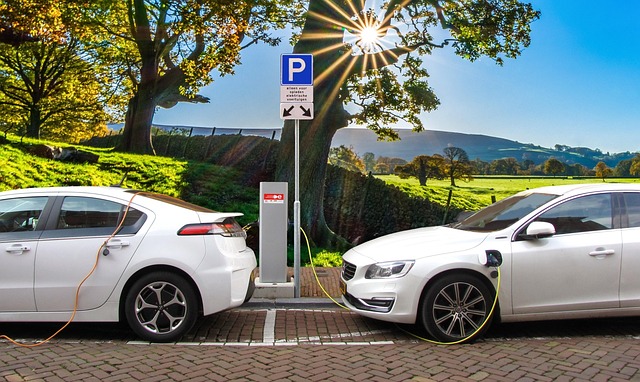
To complete the registration process for your car in California, you’ll need to pay the associated fees, which include a vehicle registration fee and a title application fee. The vehicle registration fee varies based on the type of vehicle and its emissions rating. As of the latest updates, expect to pay around $50 to $150 for most cars, with electric vehicles potentially qualifying for reduced or waived fees due to their environmental benefits. Additionally, you’ll be required to submit a completed Application for Title and Registration (DMV Form 742), along with essential documents such as proof of insurance and your driver’s license.
Once all necessary paperwork is in order, it’s crucial to verify the Vehicle Identification Number (VIN) to ensure accuracy. This process is often done through a mobile VIN verification service or a mobile VIN verifier, which allows for convenience and efficiency. By using one of these services, you can have the VIN inspected remotely, ensuring that your car’s details match the information on file with the California Department of Motor Vehicles (DMV). It’s recommended to perform this step 1-2 times during registration to mitigate errors and potential delays.
After successfully passing the VIN inspection, you’ll receive your car’s registration papers via mail or, in some cases, electronically. These documents are vital as they serve as legal proof of vehicle ownership and registration. Always keep them secure and up-to-date, as you may need to present them during traffic stops or when transferring ownership in the future. By adhering to these steps and ensuring accurate VIN verification through a mobile service, you can confidently complete your car’s registration in California without complications.
Registering a car in California involves several straightforward yet crucial steps, ensuring vehicle ownership comes with clear responsibilities. Key takeaways include preparing essential documents, understanding the importance of Vehicle Identification Number (VIN) verification, and visiting a local DMV office to complete the process. By meticulously gathering paperwork, undergoing VIN verification, and accurately filling out forms, individuals can seamlessly secure their vehicle’s registration and title. This comprehensive guide facilitates the process, empowering readers to navigate California’s requirements with confidence, underscoring the article’s authority in demystifying car registration procedures.