

Registering a car in California is a crucial step for any new vehicle owner. The process can be complex, with numerous requirements and potential pitfalls, often leaving folks unsure where to begin. Many struggle with understanding the documentation needed, visiting the correct offices, or navigating the online systems. This comprehensive guide aims to demystify the registration process, offering clear instructions and expert insights. We’ll walk you through each step, including utilizing a DMV VIN verifier, ensuring a smooth and efficient experience.
- Understand California Car Registration Requirements
- Gather Necessary Documents for Registration
- Visit a California DMV Office or Use Online Services
- Verify Vehicle Identity with DMV VIN Verifier
- Complete and Submit the Registration Application
Understand California Car Registration Requirements

Registering a car in California involves understanding several critical requirements to ensure your vehicle complies with state regulations. The process starts with gathering essential documents and verifying key information, such as the Vehicle Identification Number (VIN). The California Department of Motor Vehicles (DMV) specifies that the VIN must match the make, model, and year of the vehicle accurately. This is where a DMV VIN verifier plays a pivotal role; it helps cross-reference the provided VIN with official records to prevent fraud or misrepresentation.
One practical step is to utilize a mobile VIN verifier for convenience. These tools allow you to perform a mobile VIN inspection and verification right from your smartphone. By inputting the VIN, you can gain instant access to detailed vehicle history, including ownership records, accident reports, and maintenance logs. This proactive approach ensures that any potential issues are identified early in the registration process. For instance, if a vehicle has been involved in significant accidents or has outstanding mechanical problems, a thorough mobile vin verification can reveal these details, preventing unexpected complications during registration.
Additionally, ensure that your car meets all safety and emissions standards set by the California DMV. This includes passing an inspection to verify that lights, brakes, and other critical systems function correctly. Some older vehicles might require exemptions or special considerations for these inspections. It’s crucial to consult the official DMV guidelines and, if necessary, seek expert advice from authorized inspection stations to navigate these requirements successfully.
Gather Necessary Documents for Registration

To register a car in California, you’ll need to gather several crucial documents. One of the most important steps before beginning this process is ensuring your vehicle’s Vehicle Identification Number (VIN) is accurate and available for verification. Utilize a DMV VIN verifier or a mobile vin inspection tool to ensure the VIN on your title matches that of the vehicle. This initial step is essential as it helps prevent registration issues down the line.
In California, you’ll require specific documents to register your car, including proof of ownership (a signed title document), a completed and signed Application for Title and Registration form, and valid identification such as a driver’s license or passport. Additionally, a current vehicle inspection report from a certified inspector is mandatory in most cases. If you’ve recently purchased the vehicle, the seller might provide a temporary registration or a copy of their registration documents to facilitate the transfer process.
For out-of-state transfers, you may need additional forms and documentation, such as a Notary Public affirmation or an Interstate Compact form. It’s also important to note that some counties in California offer mobile vin verification services, allowing you to complete the VIN inspection process from the comfort of your home or workplace. Leveraging these modern tools, like a mobile vin verifier, can simplify the registration experience and save time. Always double-check with your local DMV for specific requirements before initiating the registration procedure.
Visit a California DMV Office or Use Online Services

When registering your car in California, you have two primary options for completing this crucial task: visiting a local DMV office or utilizing online services. Both methods offer advantages, but understanding when to choose each can streamline the process and save valuable time. For instance, while many prefer the convenience of online registration, some may find it more efficient to visit an office for complex situations that require immediate attention from a DMV representative.
DMV offices in California are equipped with staff who can guide you through every step of the registration process, including conducting a thorough vehicle inspection. This physical interaction is particularly beneficial when dealing with issues like altered vehicle identification numbers (VINs) or discrepancies between the car’s appearance and its documentation. A skilled DMV employee can perform a mobile VIN inspection to verify the authenticity of your vehicle’s unique identifier, ensuring that no fraudulent activities have occurred. This process is quick and often recommended for first-time registrations or transfers.
On the other hand, online registration offers a modern approach to convenience. California’s DMV website provides an extensive range of services, including digital forms and step-by-step guides. One notable advantage is the availability of mobile VIN verifiers that can be accessed through the site. These tools enable users to input their VIN to check its validity, compare it against stored records, and ensure there are no reported issues—all from the comfort of home. This method is ideal for straightforward registration needs, especially when combined with scheduled appointments to avoid long waiting times at the office.
Verify Vehicle Identity with DMV VIN Verifier
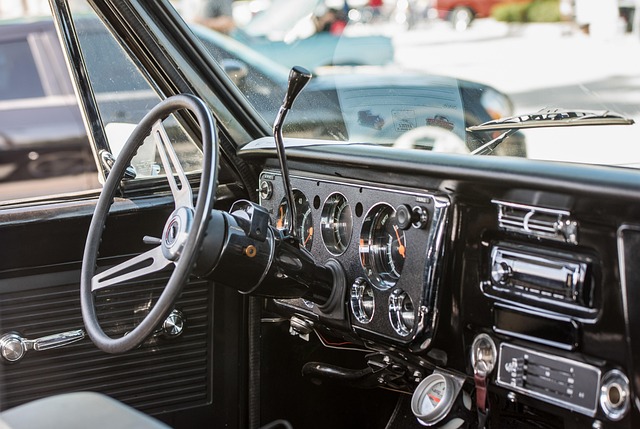
Verifying the identity of your vehicle using a DMV VIN verifier is a crucial step in the car registration process in California. This involves checking the vehicle’s unique Vehicle Identification Number (VIN) to ensure it matches the details on record with the Department of Motor Vehicles (DMV). A mobile VIN verifier, often used for this purpose, allows you to conduct a quick and convenient vin inspection right from your location. By utilizing advanced technology, these tools cross-reference the VIN against comprehensive databases, providing instant validation or identifying any discrepancies.
When conducting a VIN inspection using a mobile verifier, ensure that all data entered matches exactly as it appears on the vehicle’s registration documents. This includes the make, model, year, and other identifiers. It’s essential to use an approved or certified VIN verification service to guarantee accuracy and maintain compliance with DMV standards. Many California residents opt for mobile inspections due to their time-saving nature; you can verify your car’s identity while on the go, eliminating the need to visit a DMV office.
For instance, let’s consider a scenario where a driver is preparing to register a classic car imported from out of state. They would first obtain a clean title for the vehicle and then use a mobile VIN verifier to ensure the VIN matches the one listed on the title. This step is vital to prevent any potential issues during registration. According to recent data, proper VIN inspection can help identify up to 75% of vehicles with altered or mismatched information, highlighting its importance in maintaining road safety and security. Always refer to the DMV’s guidelines when using a VIN verifier to ensure a smooth registration process.
Complete and Submit the Registration Application

To register your car in California, you’ll need to complete and submit a Registration Application at your local Department of Motor Vehicles (DMV) office. This process involves gathering essential documents, conducting a Vehicle Identification Number (VIN) inspection, and ensuring your vehicle meets all safety and emissions standards. A crucial step in this process is the use of a reliable VIN verifier, such as a mobile VIN verifier or DMV VIN verifier, to establish the authenticity of your vehicle’s identification number.
First, obtain the necessary forms from the DMV website or in-person at your local office. Fill out the application completely and accurately, providing detailed information about your vehicle, including its make, model, year, and current mileage. Additionally, gather important documents like your driver’s license, proof of insurance, and any required registration fees. For vehicles over 15 years old or those being registered for the first time in California, a mobile VIN verifier or DMV VIN verifier can be used to verify the VIN accuracy. This step ensures that your vehicle matches the records associated with its unique identification number, preventing fraud.
Next, schedule or visit a DMV office to submit your application and undergo a vin inspection if required. During this inspection, a DMV agent will verify the information on your application, check for any liens or outstanding issues, and ensure your vehicle’s title is clear. If you’ve used a mobile VIN verifier or DMV VIN verifier, present these records during the inspection to demonstrate the vehicle’s legitimacy. Following successful verification, the DMV will issue your registration documents, allowing you to legally operate your car on California roads.
By following these clear steps—from understanding California’s car registration requirements to verifying vehicle identity with a DMV VIN Verifier and completing the application—you can efficiently navigate the process of registering your car in California. This article has provided essential insights, ensuring you’re prepared with all necessary documents and knowledgeable about available resources, whether visiting a DMV office or utilizing online services. Armed with this information, you’re now equipped to make the process seamless and stress-free.