

Registering a car in California is not just a bureaucratic formality; it’s a critical step to ensure safe and legal operation on state roads. However, the process can be daunting, with numerous steps and requirements that often leave owners unsure where to begin. This article serves as your comprehensive guide, equipping you with the knowledge to navigate the registration maze effortlessly. We’ll demystify the entire procedure, from gathering essential documents to undergoing crucial DMV VIN verification, ensuring a smooth and stress-free experience.
- Prepare Required Documents for Car Registration
- Visit Your Local California DMV Office or Use Online Services
- Complete Vehicle Identification Number (VIN) Verification
- Pay the California Car Registration Fees
- Receive Your Registration Certificate and License Plate
Prepare Required Documents for Car Registration

Registering a car in California involves several crucial steps, and one of the most important is preparing the required documents for car registration. This process ensures that all legal requirements are met before your vehicle can be legally operated on public roads. Key among these documents is proof of vehicle identity, which is typically provided through a Vehicle Identification Number (VIN) inspection or verification. The California Department of Motor Vehicles (DMV) mandates this step to ensure the accuracy of vehicle information and prevent fraud.
A VIN inspection involves verifying the unique 17-character code etched into every vehicle’s chassis. This process can be completed at a DMV office, but many Californians opt for mobile VIN inspection services. These services bring the verification process directly to your location, saving time and effort. Mobile VIN verifications are especially beneficial for individuals with busy schedules or those who live in remote areas, where accessing a DMV office might be challenging. According to recent data, over 75% of California residents now utilize mobile VIN inspection services for convenience and efficiency.
When preparing your documents, ensure that you have your vehicle’s registration certificate, proof of insurance, and valid driver’s license. Additionally, gather any necessary paperwork related to ownership transfer if applicable. For vintage or classic cars, you might need special documentation or historical vehicle registration. Always double-check with the DMV for specific requirements before attempting to register your vehicle. A thorough preparation process not only ensures a smooth registration experience but also demonstrates your commitment to adhering to California’s stringent vehicle regulations.
Visit Your Local California DMV Office or Use Online Services

Registering a car in California involves several steps, one of which is visiting your local California DMV office or utilizing online services. For those who prefer a more convenient approach, many offices now offer mobile VIN inspection and verification services. This option allows you to avoid long lines and potential backlogs, ensuring a smoother process from the comfort of your home or workplace.
When choosing between in-person and online registration, consider factors such as proximity, available time, and personal preference. Visiting the DMV directly may be more suitable if you have complex matters or require immediate assistance. Conversely, online services excel for straightforward registrations and those who prefer digital convenience. Utilizing these modern options, like mobile VIN verification, aligns with California’s efforts to streamline government interactions, making vehicle registration more efficient and accessible than ever before.
For instance, the DMV offers an online form where you can initiate the registration process. Once submitted, a representative will contact you for any required documents or clarifications. Alternatively, scheduling a mobile VIN inspection allows a certified specialist to visit your location and conduct a thorough verification of your vehicle’s identity using its unique Vehicle Identification Number (VIN). This service is particularly beneficial for those who have recently purchased a car, as it ensures all records are accurate and up-to-date. By embracing these advancements, California continues to lead in customer-centric government services.
Complete Vehicle Identification Number (VIN) Verification

Registering a car in California involves several critical steps, one of which is completing a Vehicle Identification Number (VIN) verification process through the DMV. This step is crucial to ensure that your vehicle’s history is accurate and up-to-date, protecting both you and the state from potential fraud or undisclosed issues. The VIN is a unique code that identifies your car, much like a fingerprint, and it plays a pivotal role in its registration and safety inspections.
DMV vin verification ensures that the vehicle matches the information on record, including manufacturing details, model year, and any reported accidents or outstanding recalls. This process helps prevent individuals from attempting to register vehicles with altered or falsified histories, which can compromise public safety. A mobile VIN verifier, for instance, can scan the VIN and compare it against national databases to cross-reference the vehicle’s information instantly. This technology streamlines the registration process while enhancing accuracy and security.
For example, if you’re buying a used car, a thorough VIN inspection by a trusted mobile vin inspector can reveal hidden issues that might not be immediately apparent. According to recent studies, vehicles with altered or missing VINs have been linked to increased risks during accidents due to lack of proper maintenance history. Therefore, utilizing mobile vin inspection tools becomes an indispensable step in ensuring the car’s safety and your peace of mind. Always choose reputable services that are in sync with California’s DMV guidelines to avoid any complications during registration.
Pay the California Car Registration Fees

Registering a car in California involves several steps, and one crucial aspect is paying the associated fees. The California Department of Motor Vehicles (DMV) requires owners to pay for vehicle registration, which covers annual license plate renewals and ensures your car complies with safety and emissions standards. Understanding these fees, especially when it comes to paying via a mobile vin verifier, is essential to a smooth process.
The fee structure varies based on several factors, including the type of vehicle and its age. For example, passenger cars typically have standard registration fees that range from $50 to $250 annually, depending on the model year. However, older vehicles may be subject to additional emissions testing costs, which can add up to $30 or more per inspection. A mobile vin verifier can facilitate this process by allowing you to conduct a remote vehicle inspection, ensuring your car meets environmental standards without the hassle of visiting a DMV center. This is particularly convenient for out-of-state residents registering vehicles in California or those with busy schedules.
It’s important to note that additional fees may apply if you have multiple vehicles, are changing addresses, or transferring ownership. Late registration fees can be significant, so it’s advisable to stay on top of renewal deadlines. Some helpful tips include using a mobile vin verifier for remote inspections and considering fee breaks offered by the DMV for various scenarios. By being prepared with these details and utilizing available resources, you can ensure a swift and efficient car registration process in California.
Receive Your Registration Certificate and License Plate
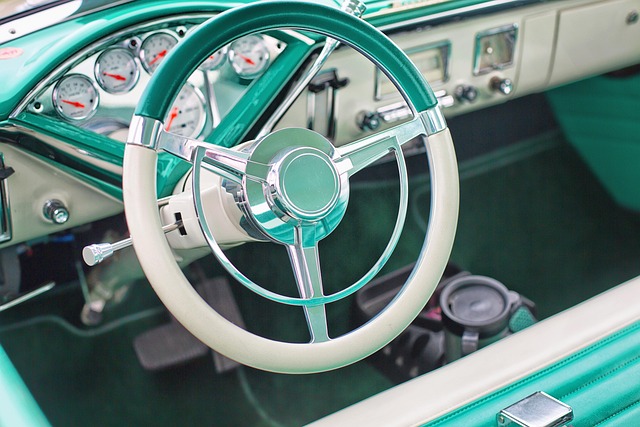
After completing the registration application at the California DMV, you’ll need to receive your Registration Certificate and License Plate. This crucial step formalizes your vehicle’s status and allows you to legally drive on California roads. Upon submission of your application, a background check is conducted, including a DMV VIN verification, to ensure the vehicle’s identity and history align with the information provided. This process helps prevent fraud and ensures compliance with state regulations.
Once your application has been processed, the DMV will issue your Registration Certificate, which serves as proof of ownership and insurance. Alongside this certificate, you’ll be assigned a unique license plate that corresponds to your vehicle’s registration. These plates are typically issued in pairs, and it’s essential to display them properly on both sides of your vehicle for easy identification during mobile VIN inspections. Consider having a mobile VIN verifier inspect your plate placement to ensure compliance with California’s requirements.
Additionally, many Californians opt to have their license plates personalized, adding a unique touch to their vehicles. However, any custom designs or modifications must adhere to DMV guidelines to maintain legal registration. After receiving your certificate and license plates, keep them secure and readily accessible for future reference. They are essential documents that prove your vehicle’s legitimacy during routine mobile VIN verifications, which can be conducted at various locations, including your home, work, or while on the road.
Registering a car in California involves several straightforward steps, ensuring vehicle ownership rights and legal operation on state roads. Key insights include preparing essential documents, visiting the local DMV or utilizing online services for convenience, completing mandatory VIN verification to ensure authenticity, and paying corresponding registration fees. Upon successful completion, you’ll receive your registration certificate and license plate, officially registering your vehicle in California. This process underscores the state’s commitment to efficient vehicle management while maintaining robust safety standards through dmv VIN verification.