

Registering a car in California is a critical step for any vehicle owner, ensuring legal compliance and facilitating smooth operations on the state’s roads. However, navigating the process can be challenging, given the intricate regulations and paperwork involved. This comprehensive guide aims to demystify the procedures, empowering both new and experienced drivers alike. We’ll walk you through each step, from gathering essential documents to utilizing reliable tools like the DMV VIN verifier, ensuring a seamless registration experience tailored to California’s unique requirements.
- Gather Necessary Documents for Car Registration
- Visit Your Local California DMV Office or Use Online Services
- Verify Vehicle Identification Number (VIN) with DMV or a Trusted Tool
- Complete and Submit the Application Form Accurately
- Pay Registration Fees and Receive Your Registration Documents
Gather Necessary Documents for Car Registration

To register your car in California, you’ll first need to gather all the essential documents required by the Department of Motor Vehicles (DMV). This process involves verifying critical information about your vehicle, including its Vehicle Identification Number (VIN), which is a unique code that identifies your car. One convenient method for this verification is through a mobile VIN inspection or using a DMV VIN verifier. These services allow you to check your car’s history and ensure it meets all legal standards before registration.
A key document in the registration process is the Certificate of Title, which establishes ownership. You’ll also need proof of liability insurance, as well as an emissions test certificate if applicable. For older vehicles, a safety inspection might be necessary. It’s crucial to keep these documents organized and readily available during the registration process. If you’ve recently purchased a vehicle, the seller should provide the necessary paperwork, including the title and any records related to maintenance or accidents. However, if you’re transferring ownership, you’ll need to gather these documents from previous owners.
Additionally, when preparing for car registration in California, consider the availability of mobile VIN verification services. These services offer a convenient way to confirm your vehicle’s details without visiting a DMV office. A simple online search or app can connect you with professionals who conduct these inspections, ensuring that your car is ready for registration by providing accurate and up-to-date information. This step can save time and reduce the potential for errors during the official registration process.
Visit Your Local California DMV Office or Use Online Services

To register your car in California, you have two primary options: visit a local DMV office or utilize online services. While traditional visits to the Department of Motor Vehicles (DMV) remain an option, many Californians opt for the convenience and efficiency of online registration. However, regardless of the method chosen, ensuring the vehicle’s Vehicle Identification Number (VIN) is accurate and verifiable is essential. The California DMV employs a VIN verifier to cross-check these numbers against their database, enhancing the authenticity of your car’s registration.
One significant advantage of online services is the availability of mobile VIN verification. This feature allows you to check a vehicle’s history from the comfort of your home or on-the-go using your smartphone. For instance, many mobile apps and online platforms can perform a real-time VIN inspection, providing detailed information about previous owners, accident history, and maintenance records. By integrating this technology, Californians can streamline the registration process, making it faster and more secure.
If you opt to visit a local DMV office, be prepared for a more hands-on approach. Bring all necessary documents, including proof of ownership, identification, and any required fees. At the DMV, staff will guide you through the registration process, which includes a thorough VIN inspection. This step is crucial in preventing fraud and ensuring that only legitimate vehicles are registered. Some offices may even offer mobile VIN verification services on-site for added convenience. Remember to inquire about their procedures before your visit to ensure a smooth experience.
Verify Vehicle Identification Number (VIN) with DMV or a Trusted Tool

Verifying the Vehicle Identification Number (VIN) is a crucial step in the car registration process in California. This unique 17-character code serves as a fingerprint for your vehicle, providing essential information about its make, model, year, and manufacturing details. It’s critical to ensure the VIN’s accuracy, as any discrepancies can lead to registration delays or even rejection. One reliable method is using a DMV VIN verifier or a trusted mobile vin verification tool. These tools allow you to cross-reference the VIN with official databases, ensuring its authenticity and completeness.
For instance, the California Department of Motor Vehicles (DMV) offers online services that include VIN inspection as part of their registration process. By entering the VIN, applicants can check for any outstanding issues or prior owners, helping to prevent fraud and ensure a smoother registration experience. Additionally, many mobile vin verifier apps provide quick and easy checks, allowing you to verify the VIN on-the-go. These tools have become increasingly sophisticated, leveraging advanced technology to deliver accurate results in mere seconds.
When using a mobile vin verification service, make sure it’s from a reputable source. Look for features like real-time data updates, secure transactions, and transparent reporting. For instance, some popular apps offer not only VIN inspection but also historical vehicle data, helping you understand the car’s past better. Remember, an accurate VIN is key to a successful registration, so take the time to verify it thoroughly using trusted tools before proceeding with the California DMV registration process.
Complete and Submit the Application Form Accurately
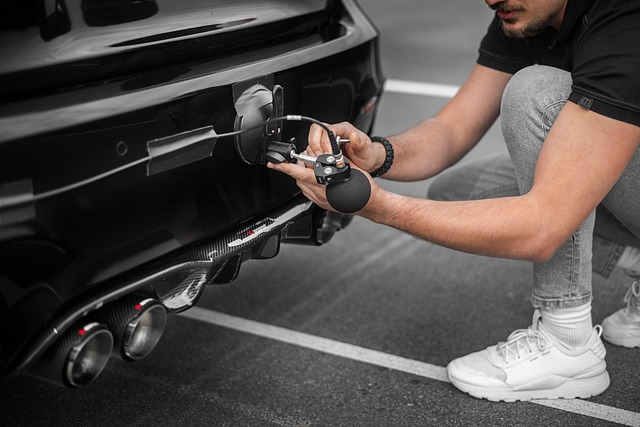
To register your car in California, you’ll need to complete and submit an Application Form (DMV Form REG-142) accurately. This step is crucial as it ensures your vehicle complies with state regulations. One critical aspect often overlooked is ensuring the accuracy of the Vehicle Identification Number (VIN). The DMV offers a VIN verifier, known as the mobile VIN verification service, to streamline this process.
Using the mobile VIN verifier or a mobile VIN inspection tool can significantly simplify registration. These tools cross-reference your vehicle’s VIN with national databases to verify its authenticity and history. For instance, they can reveal past owners, accident records, and outstanding recalls, providing invaluable insights into a car’s background. This data helps you identify potential issues and makes informed decisions during the registration process.
Let’s say you’re considering buying a used vehicle. A mobile VIN verification service could reveal that the car has been in a previous accident, which is essential information to have before committing to a purchase. By accurately documenting and presenting this data on your application form, you enhance the likelihood of a smooth registration experience with minimal delays. Always double-check your form’s accuracy, including the VIN, to avoid unnecessary complications during the California car registration process.
Pay Registration Fees and Receive Your Registration Documents

To complete the registration process in California, you’ll need to pay the required registration fees, which cover various costs associated with vehicle licensing and road maintenance. The California Department of Motor Vehicles (DMV) outlines these fees, ensuring they are current and accurate. You can typically make payments online through the official DMV website or at local DMV offices using a credit card or check. Once your payment is processed, you’ll receive confirmation, marking a significant step forward in the registration journey.
After successfully making the necessary payments, the DMV will issue your registration documents. These include the official Vehicle Registration Certificate and a unique California license plate. In some cases, especially when utilizing modern technology, you might opt for a mobile vin inspection or mobile vin verification service, which streamlines the process even further. For instance, many third-party apps now offer remote vin verifier capabilities, allowing you to validate your vehicle’s history before registration. This innovative approach not only saves time but also enhances convenience, especially when comparing it to traditional methods of verifying a Vehicle Identification Number (VIN).
To ensure a smooth experience, consider the following: review the DMV’s guidelines for document requirements, keep accurate records of your payments, and be prepared with necessary documentation, such as proof of insurance and vehicle ownership. By adhering to these steps and staying informed, you can confidently navigate the registration process, culminating in the possession of properly registered and documented vehicles.
Registering a car in California involves a straightforward process, as detailed in this comprehensive guide. Key takeaways include gathering essential documents, accurately completing application forms, verifying the Vehicle Identification Number (VIN) using reliable tools like a DMV VIN verifier, and paying corresponding fees. By adhering to these steps, individuals can efficiently navigate the registration process, ensuring their vehicle’s legal status in the state. This article empowers readers with the knowledge necessary to successfully register their vehicles, providing them with a clear path to follow.